
In this article we break down what VO₂ max actually is, why you should measure it, and what a test tells you.
What is VO₂ max?
VO₂ max is the maximum amount of oxygen your body can use during exercise. It’s measured in milliliters of oxygen per kilogram of body weight per minute (ml/kg/min).
Think of it as your engine size: the higher your VO₂ max, the more oxygen you can deliver to your muscles, and the better your body performs under stress.
But here’s the thing: VO₂ max isn’t just a performance metric. It’s also one of the strongest known predictors of overall health and lifespan. Research shows that people with higher VO₂ max values live longer, healthier lives, whether they’re elite athletes or weekend joggers.
Why you should care, even if you’re not racing
- Longevity: In large cohort studies, low cardiorespiratory fitness is associated with a higher risk of early mortality than smoking, diabetes or high blood pressure.
- Daily energy: Higher oxygen efficiency means you recover faster, think clearer, and simply feel less drained.
- Training efficiency: Instead of guessing whether you’re running “hard enough” or “easy enough”, a VO₂ max test gives you exact training zones.
- Early warning system: A drop in VO₂ max can indicate stress, overtraining, or underlying health issues long before they show up elsewhere.
So no, this isn’t just about shaving seconds off your 10k. It’s about building a body that runs well, literally and figuratively, for decades.
What a VO₂ max test actually tells you
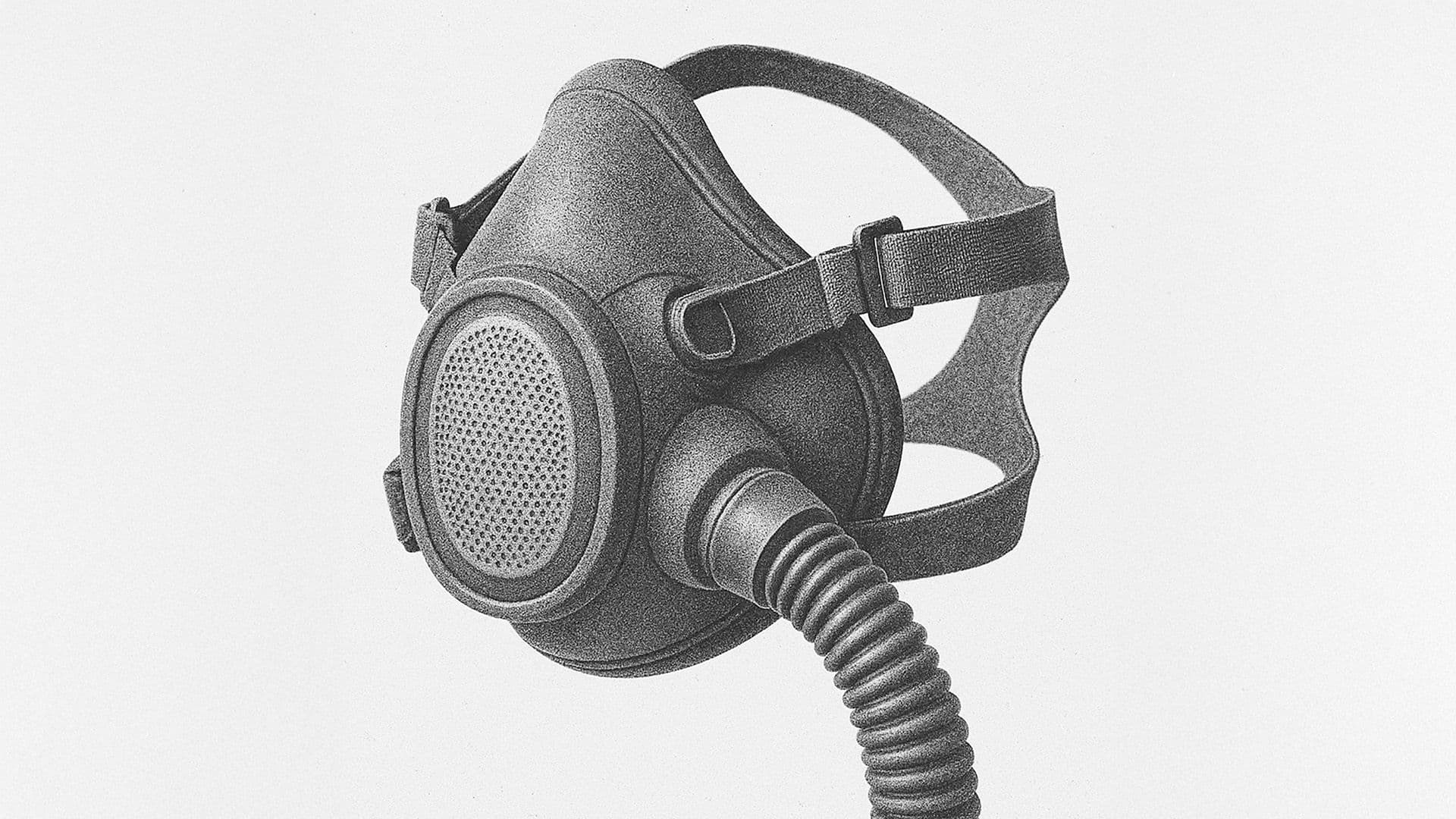
During a test, you run or cycle while your breathing is measured. Beyond just giving you a VO₂ max number, you get a full picture of how your metabolism works under load:
- VO₂ max: The ceiling of your aerobic capacity.
- Ventilatory thresholds (VT1 & VT2): Where your body shifts from burning mostly fat to burning mostly carbs. These thresholds define your personalized training zones.
- Fat vs. carbohydrate metabolism: Learn exactly how your body fuels itself at different intensities.
- Efficiency: See how much energy you’re using at different speeds or power outputs.
That data lets you train smarter rather than harder. Instead of copying someone else’s plan, you build your sessions around your own physiology.
What to do with your results
After a VO₂ max test, you can:
- Train in the right zones. Long runs below VT1 for fat metabolism, interval sessions above VT2 for high-intensity adaptation.
- Optimize fueling. Know when your body switches to carbs and how much you need to refuel during longer sessions.
- Track progress. Retest every 6 to 12 months to see whether your training is actually moving the needle.
- Build resilience. Higher VO₂ max and better metabolic flexibility mean you handle stress, in sport and in life, much better.
Bottom line
You don’t need to be a pro athlete to benefit from VO₂ max testing. In fact, the further away you are from professional training, the more useful it becomes. It gives you a clear, objective snapshot of your health, your performance potential, and the levers you can pull to improve both.
If you want to live longer, train smarter, and get the most out of your body, a VO₂ max test is one of the best investments you can make.
References
- Kodama S. et al. (2009). Cardiorespiratory fitness as a quantitative predictor of all-cause mortality and cardiovascular events: A meta-analysis. JAMA, 301(19), 2024–2035.
- Mandsager K. et al. (2018). Association of Cardiorespiratory Fitness With Long-term Mortality Among Adults Undergoing Exercise Treadmill Testing. JAMA Network Open, 1(6):e183605.
- Ross R. et al. (2016). Importance of Assessing Cardiorespiratory Fitness in Clinical Practice: A Case for Fitness as a Clinical Vital Sign. Circulation, 134(24), e653–e699.
- Wasserman K. et al. (2011). Principles of Exercise Testing and Interpretation: Including Pathophysiology and Clinical Applications. 5th Edition.
- Brooks G.A., Mercier J. (1994). Balance of carbohydrate and lipid utilization during exercise: the “crossover” concept. J Appl Physiol, 76(6), 2253–2261.