
The film is out
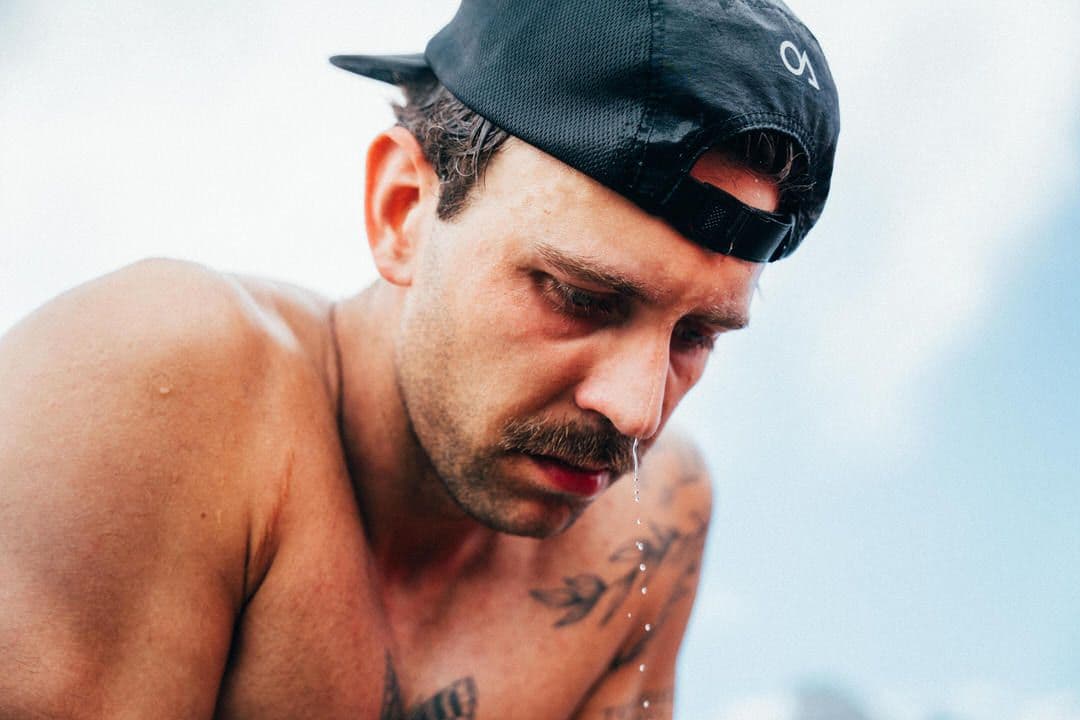
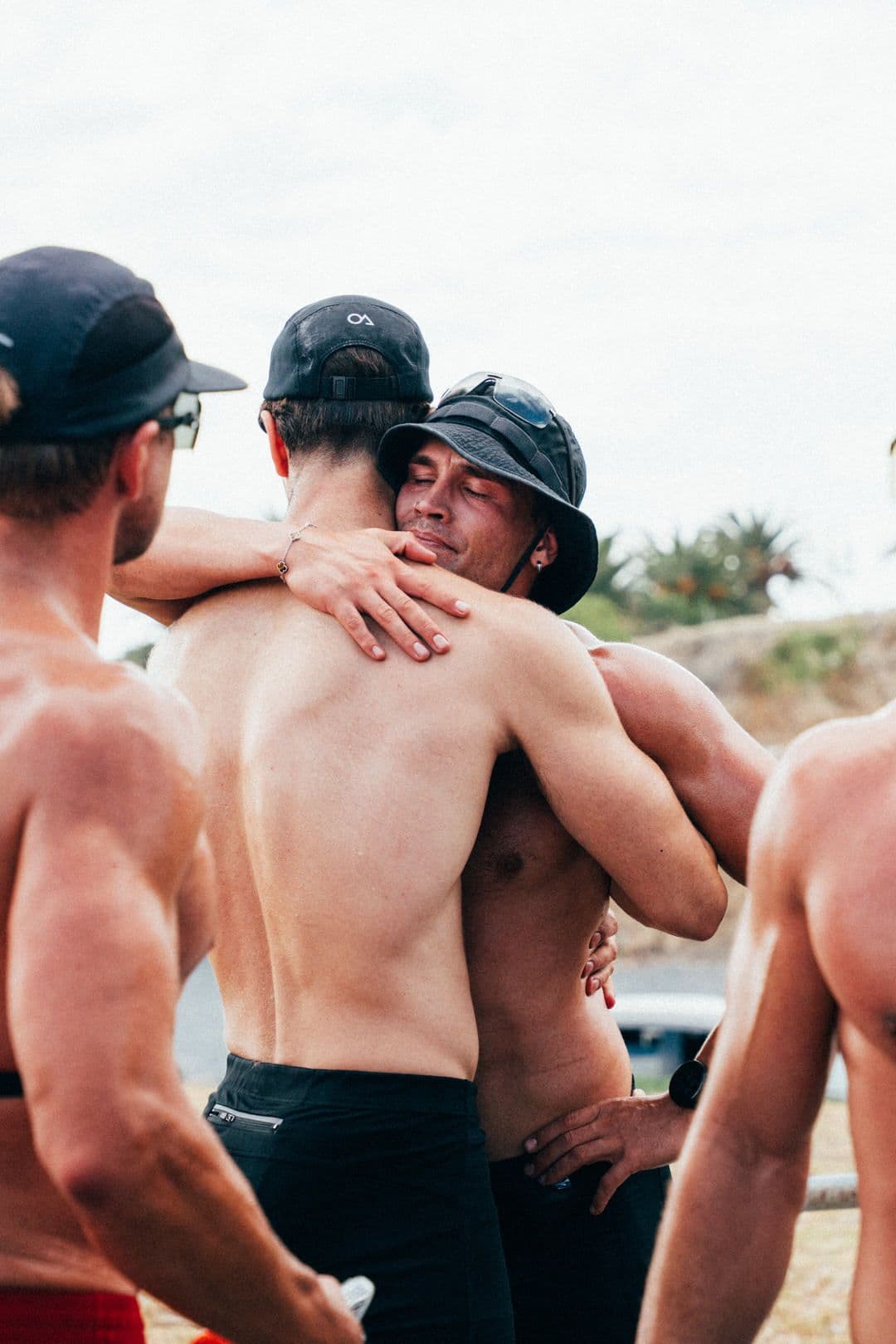
We handed a camera crew a seat in the race convoy and told them to keep rolling. Sixteen hours later they had the whole thing: the 7am nerves outside Camps Bay, the climb up Chapman's Peak, the wind at the Cape of Good Hope, the sunburn, the arguments about pacing, and the moment the last team came in. Press play at the top of this page.
What happened on 22 February 2026
Twelve teams. Sixty-plus runners. One clock.
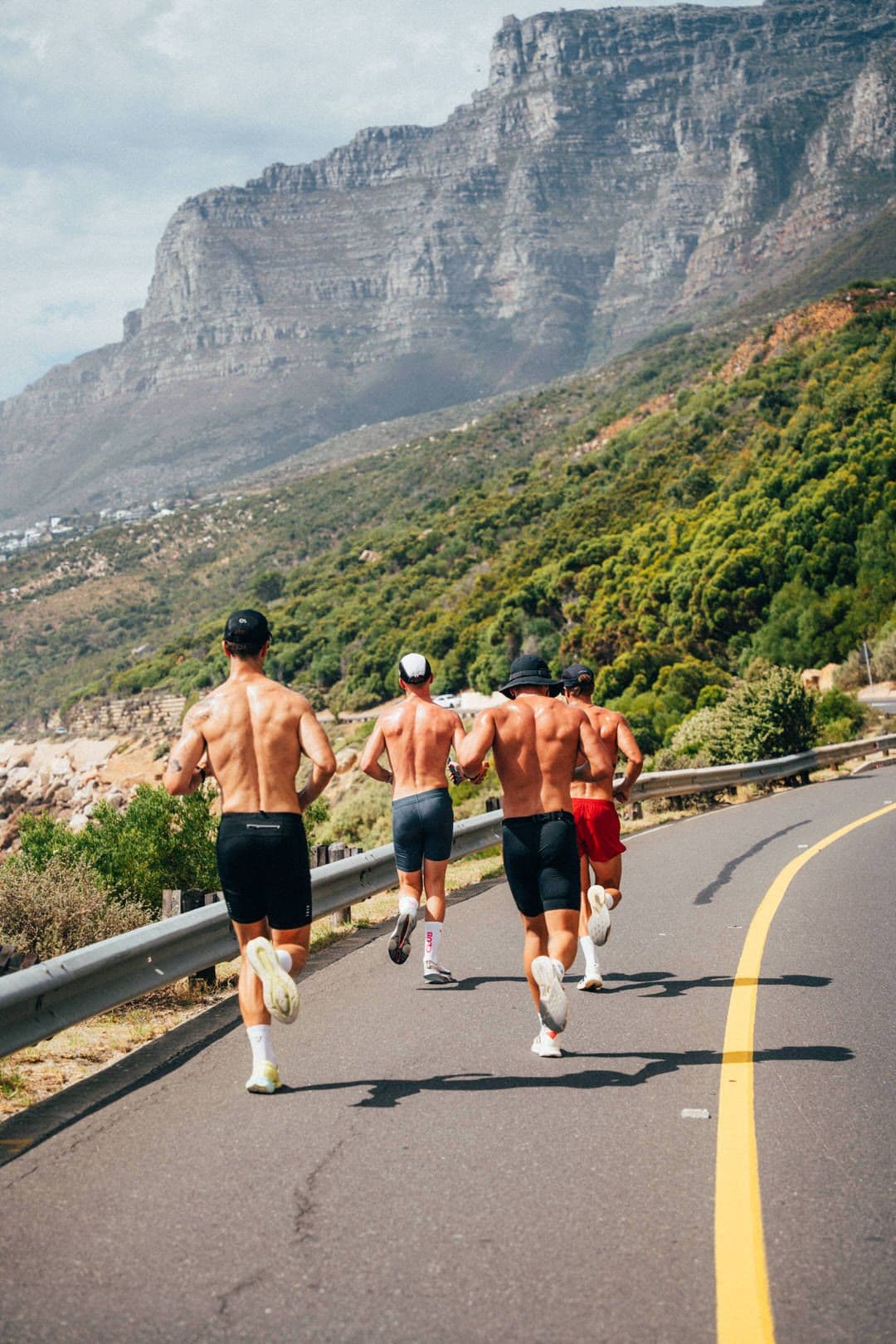
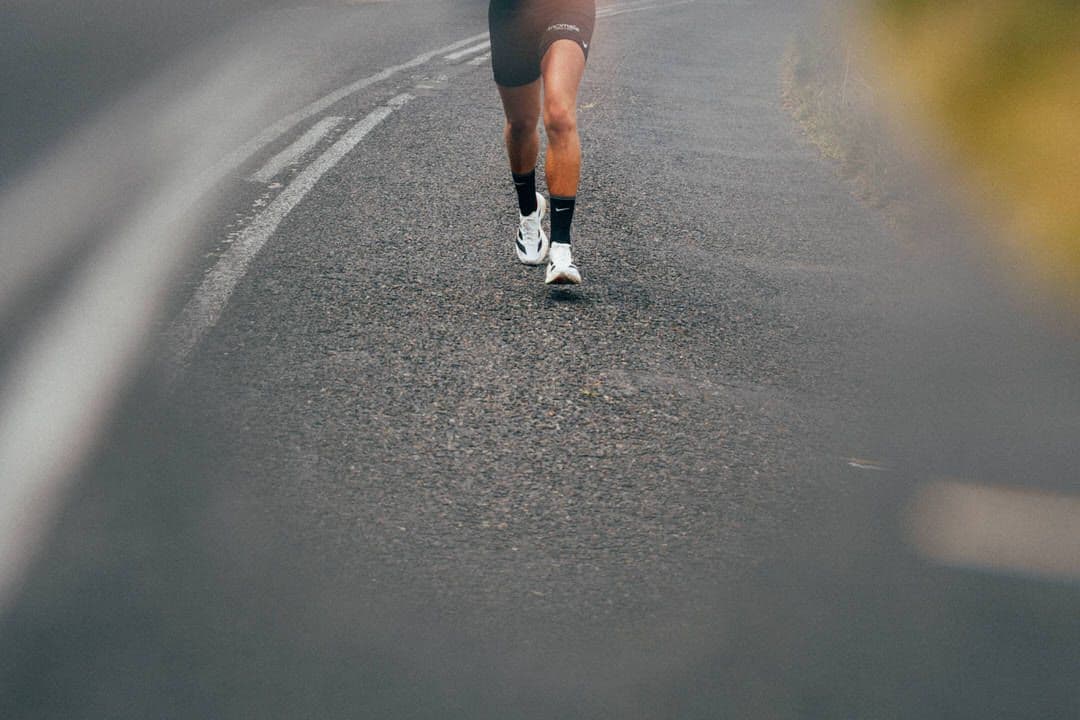
The idea was simple enough to fit on a napkin and stupid enough to be interesting: run a full loop of the Cape Peninsula, roughly 140 kilometers with 1,165 meters of climbing, as a relay of five. Seven mandatory checkpoints. Between them, no route. You want to take the coast road? Take it. You think the pass is faster? Prove it.
The fastest crew closed the loop in just under eight hours, moving through Chapman's Peak, the Cape of Good Hope, Kalk Bay and the city bowl at a pace that did not really let up. The final team crossed after twelve hours and forty-five minutes, into a crowd that had somehow got louder as the day got longer. Every team that started finished. On an open route, self-supported, in February heat, that still surprises us.
The part we are proudest of is who was out there. More than eighty percent of the field were Cape Town runners: people who know these roads better than any map does, and who spent the weeks before the race telling us where our plan was wrong. They were usually right.
Impressions from 2026
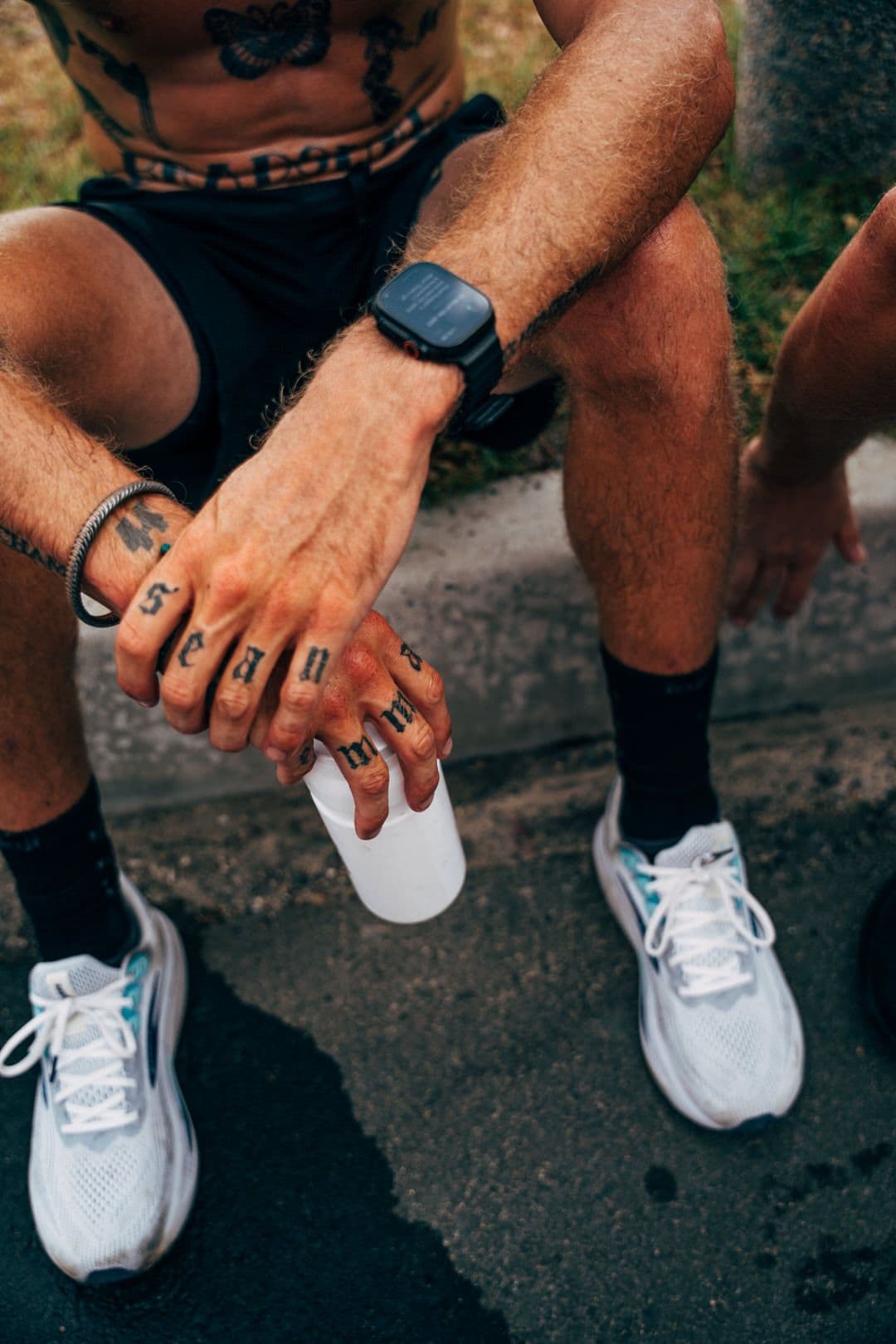
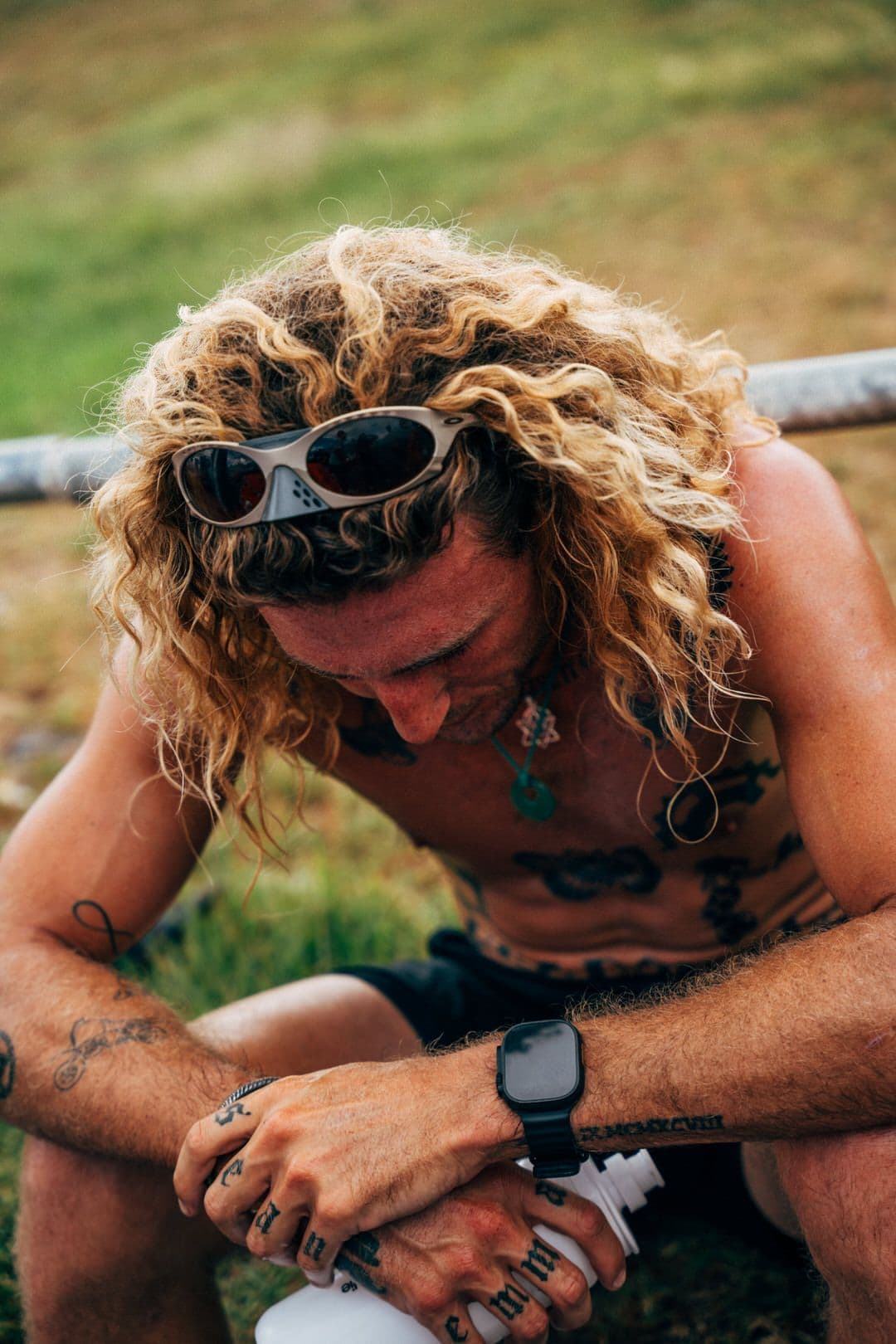

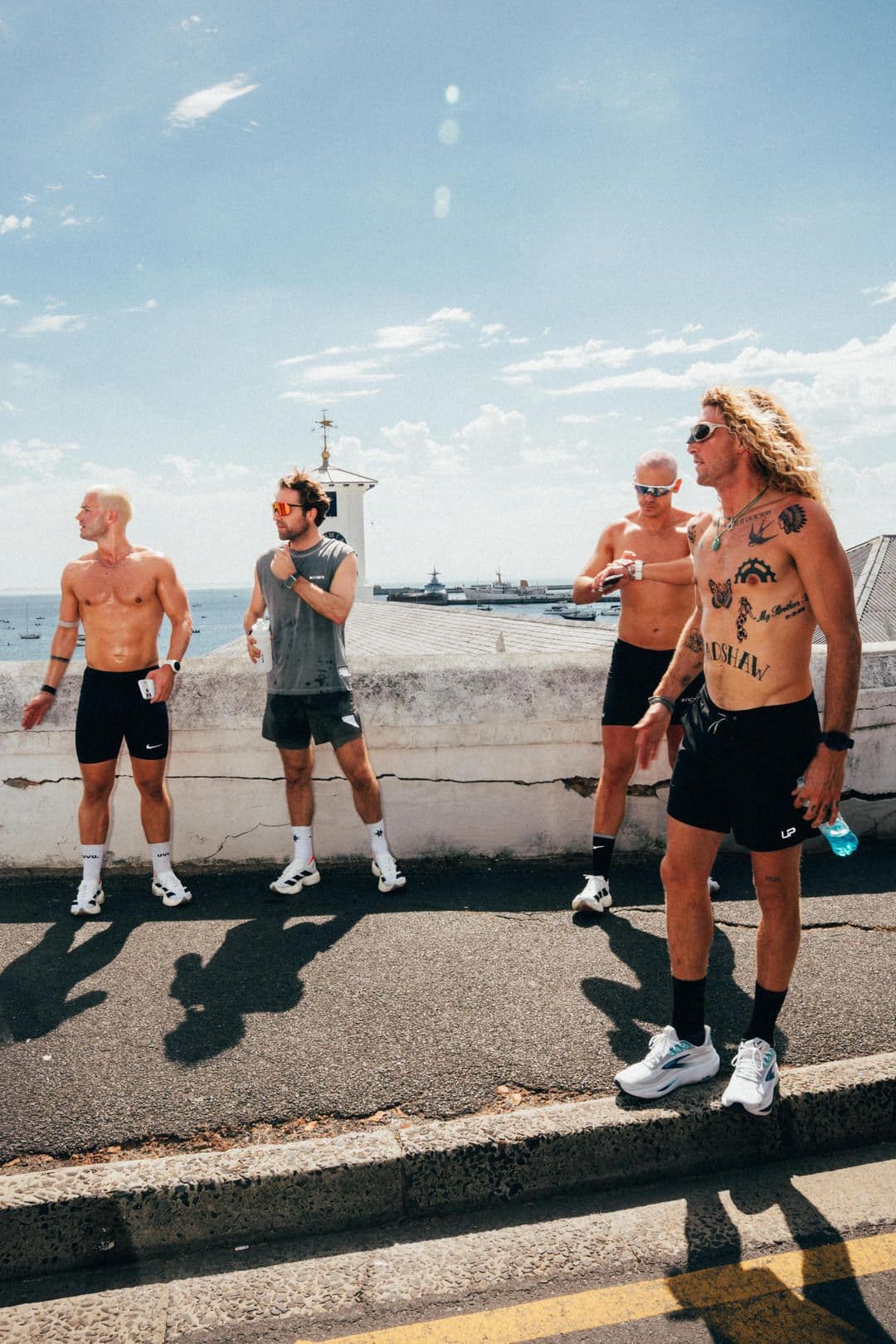
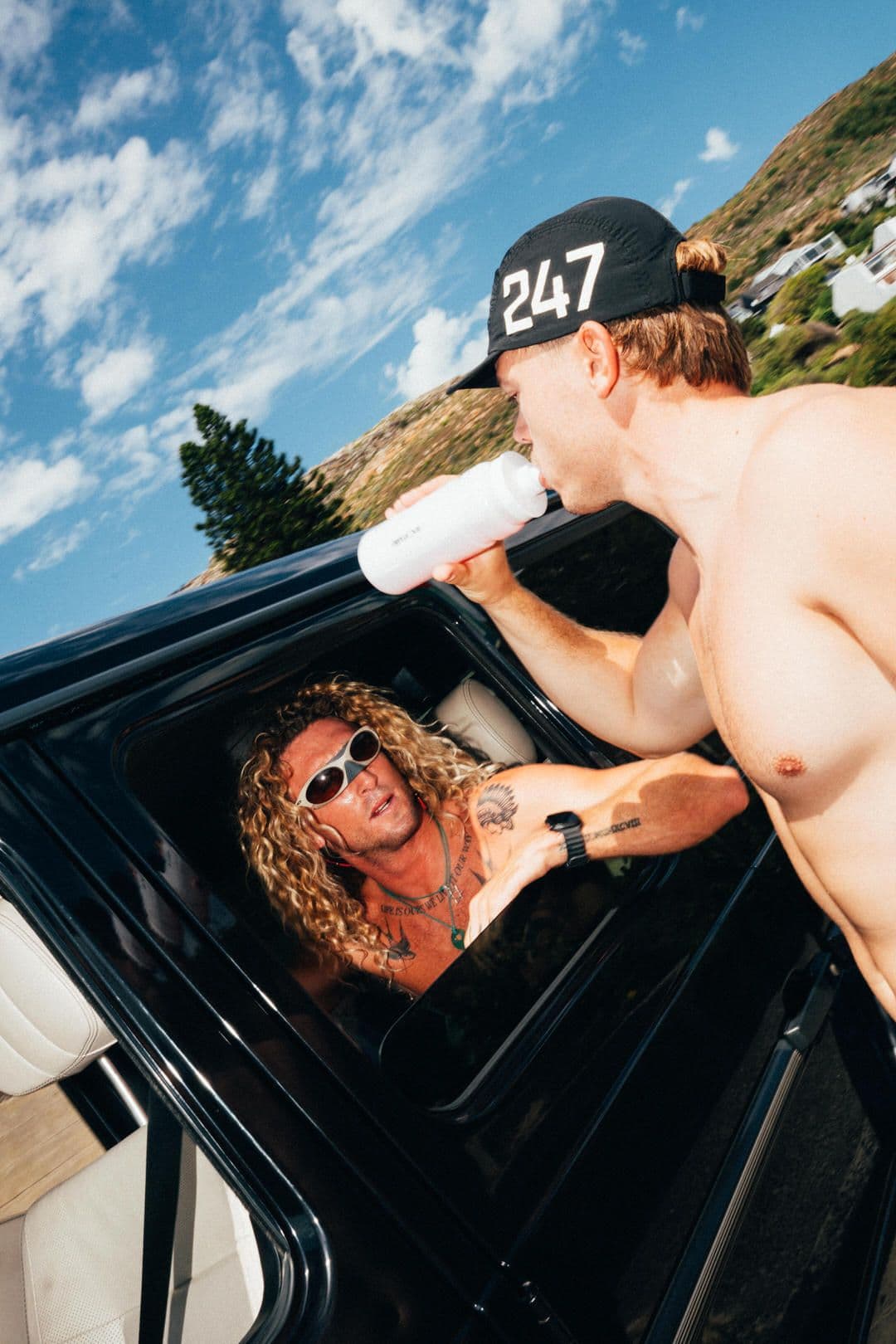


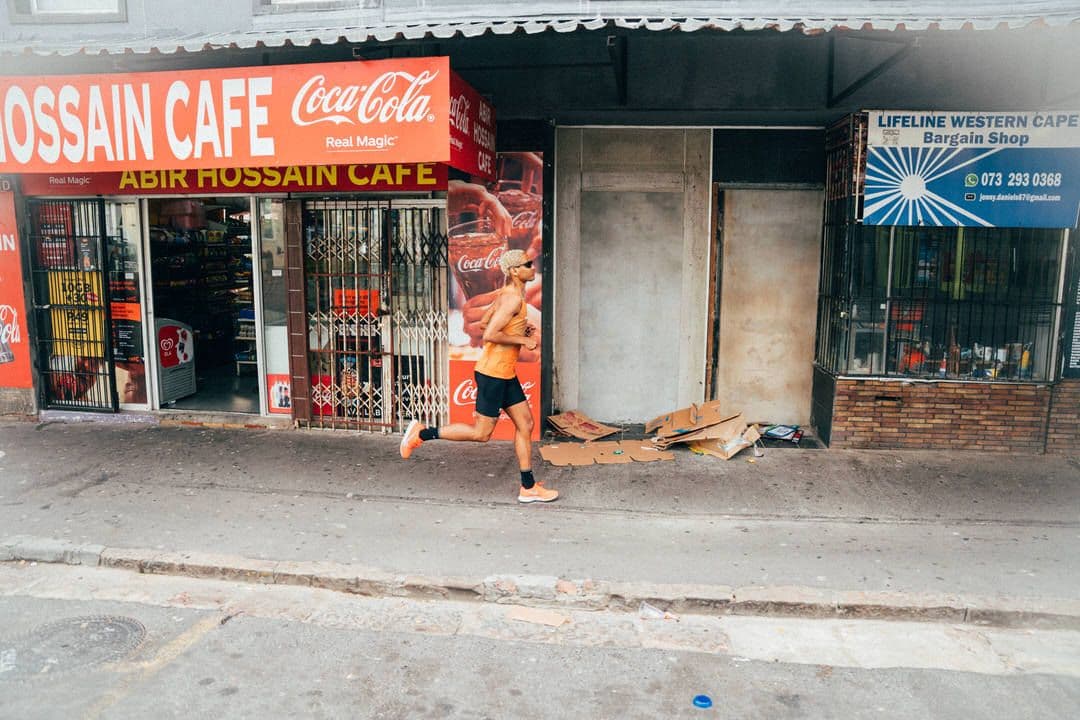

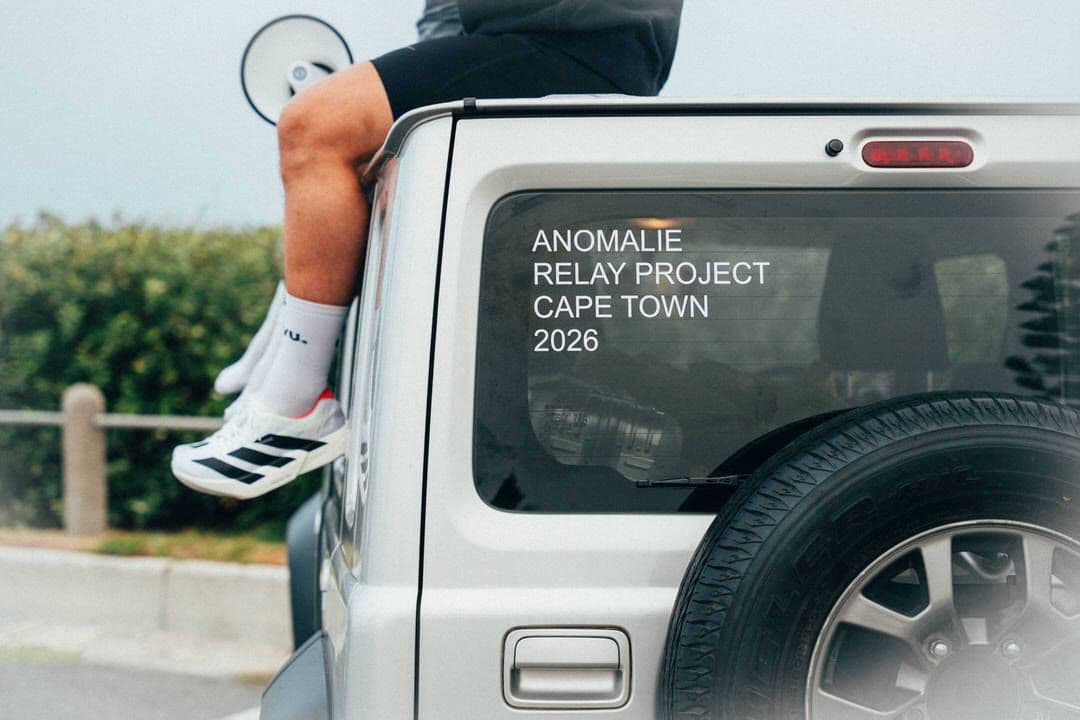
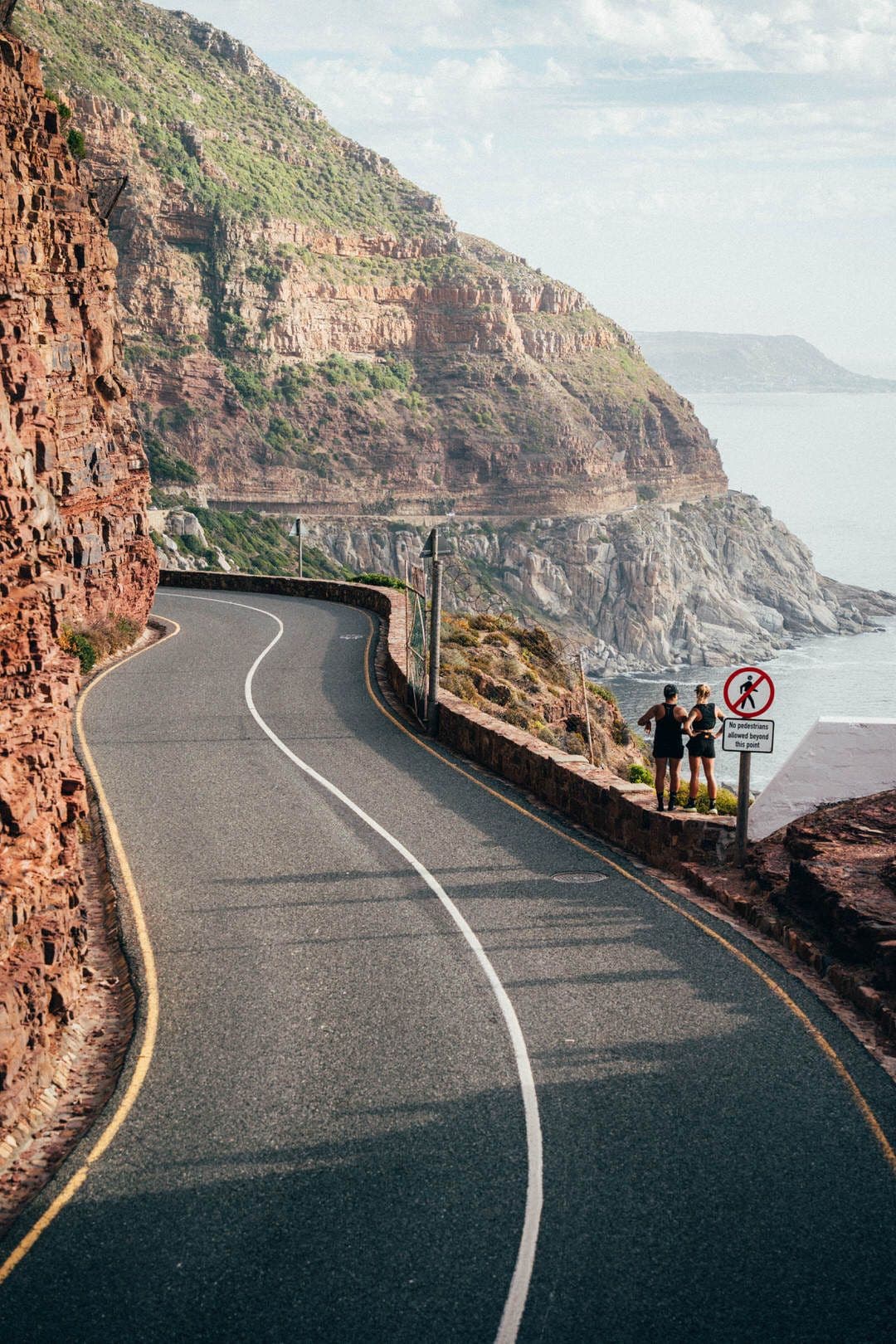
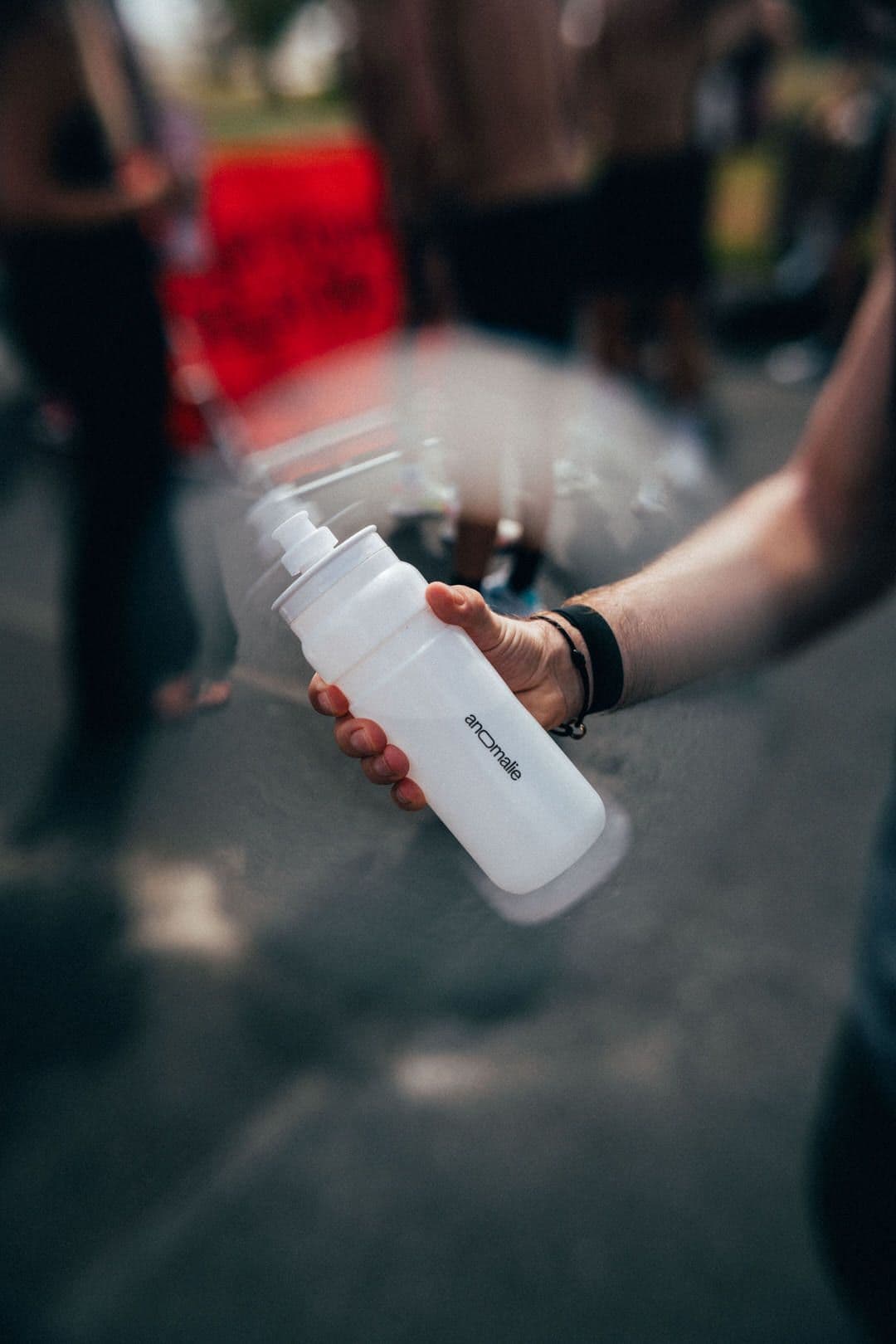
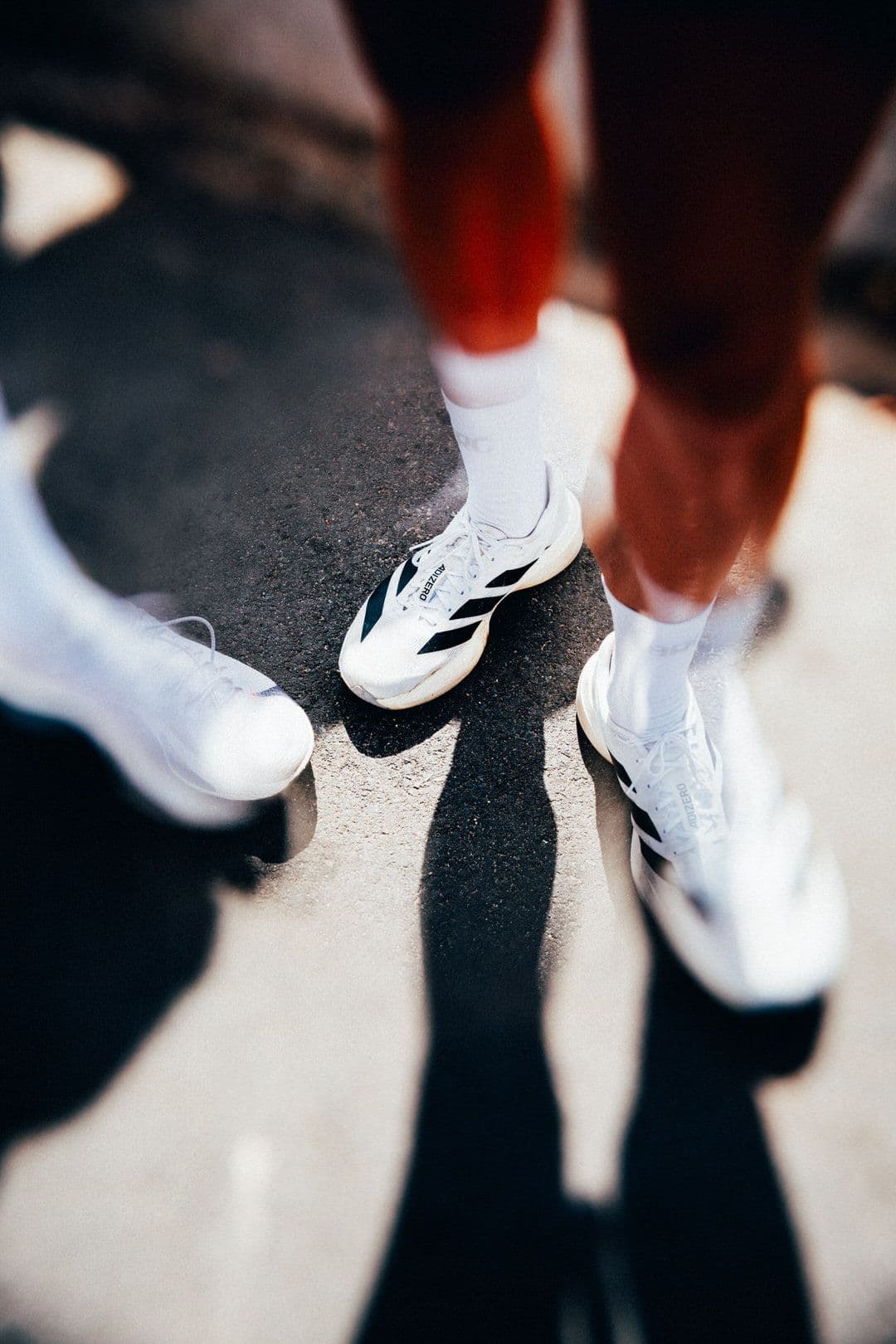

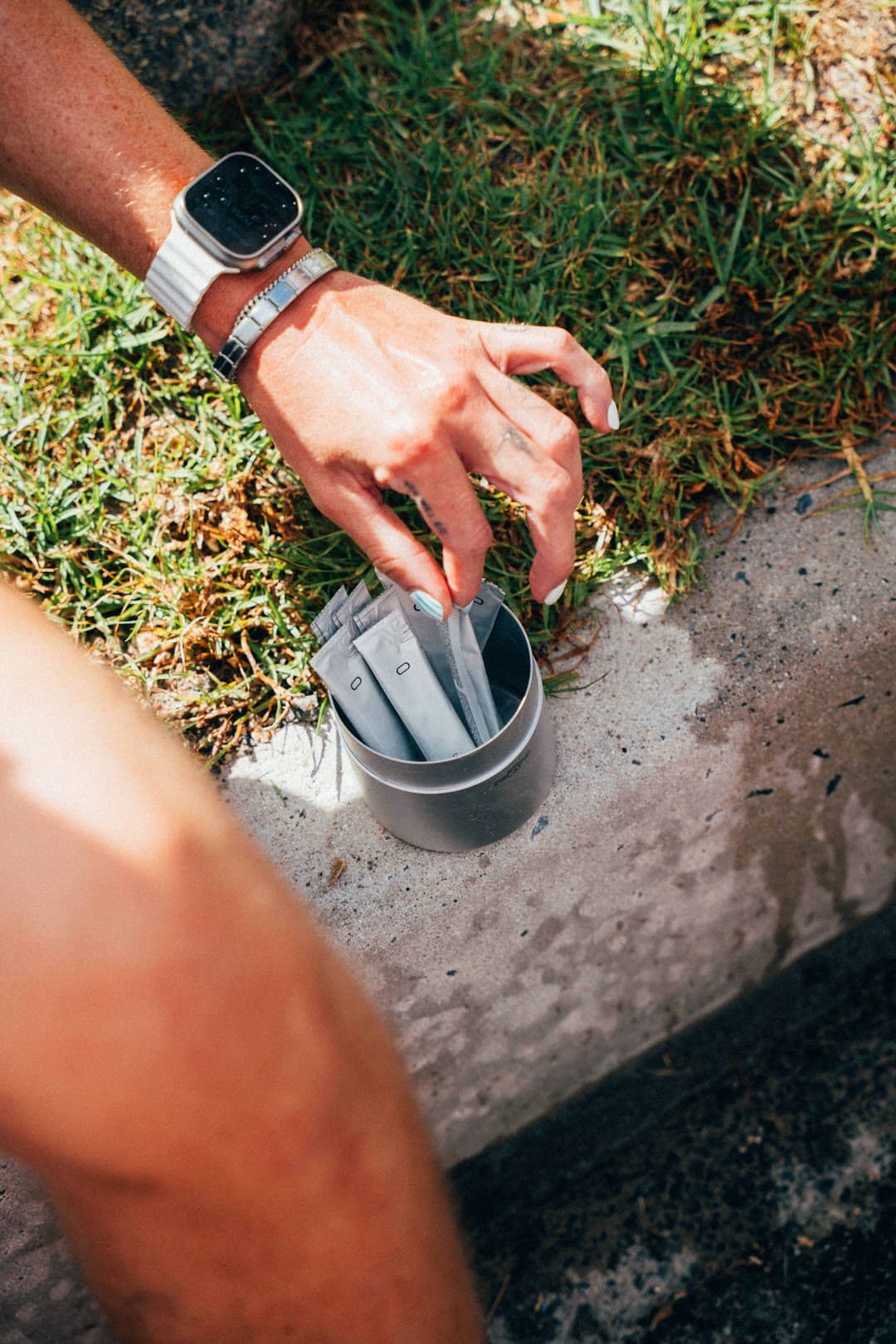

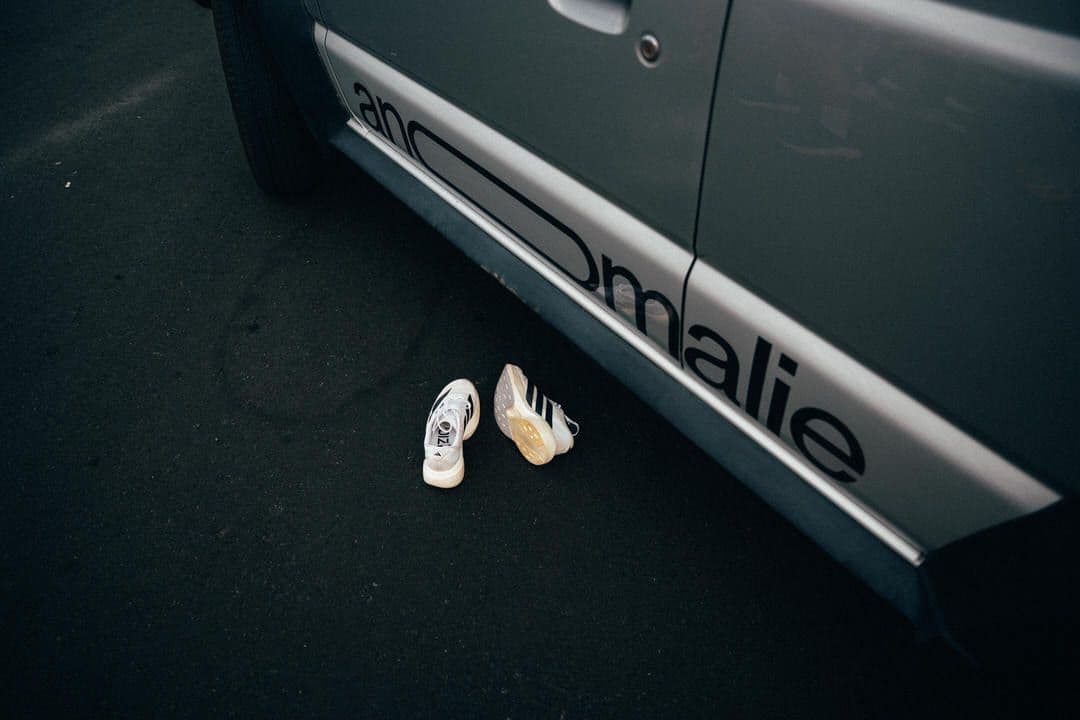
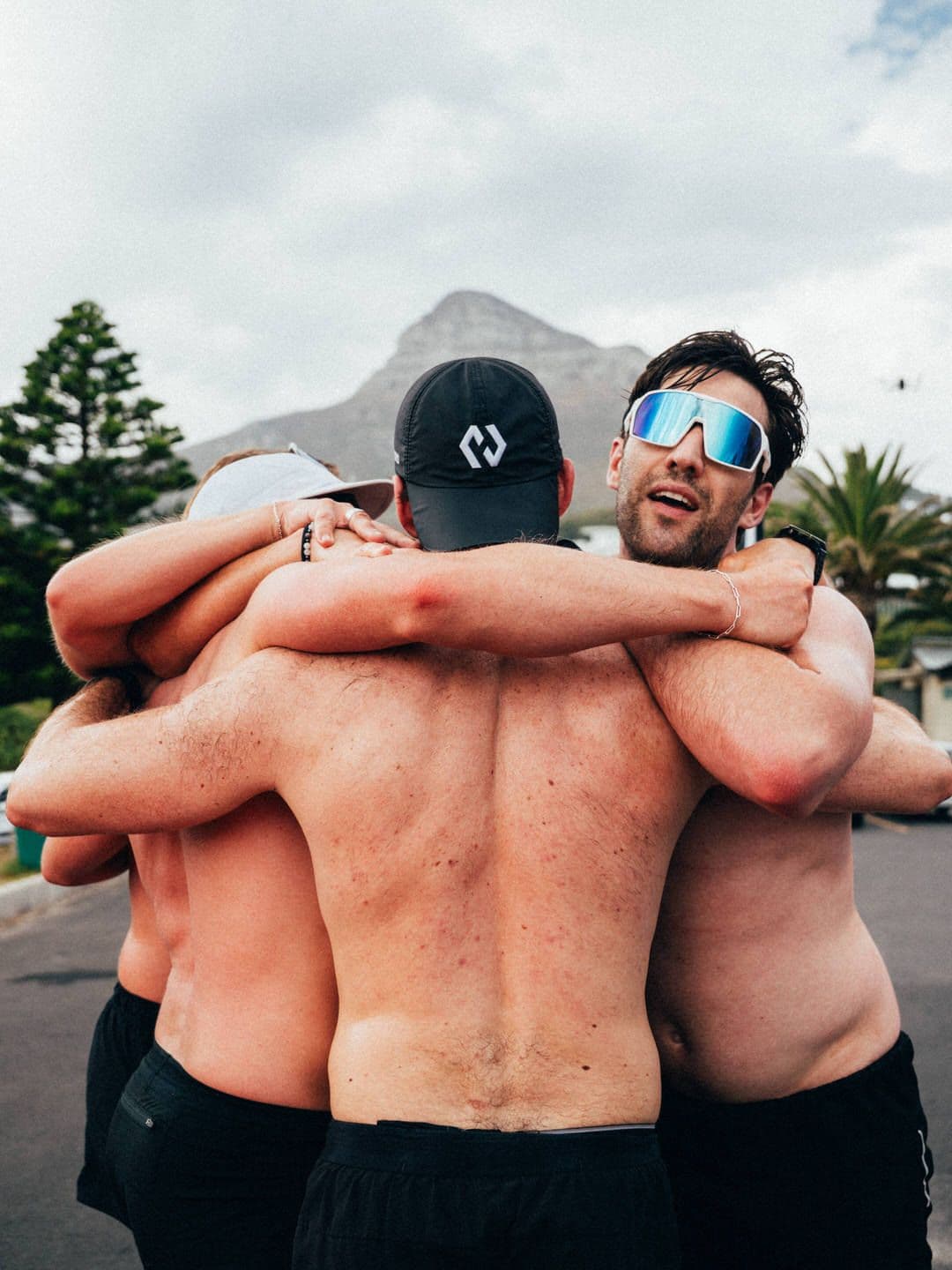




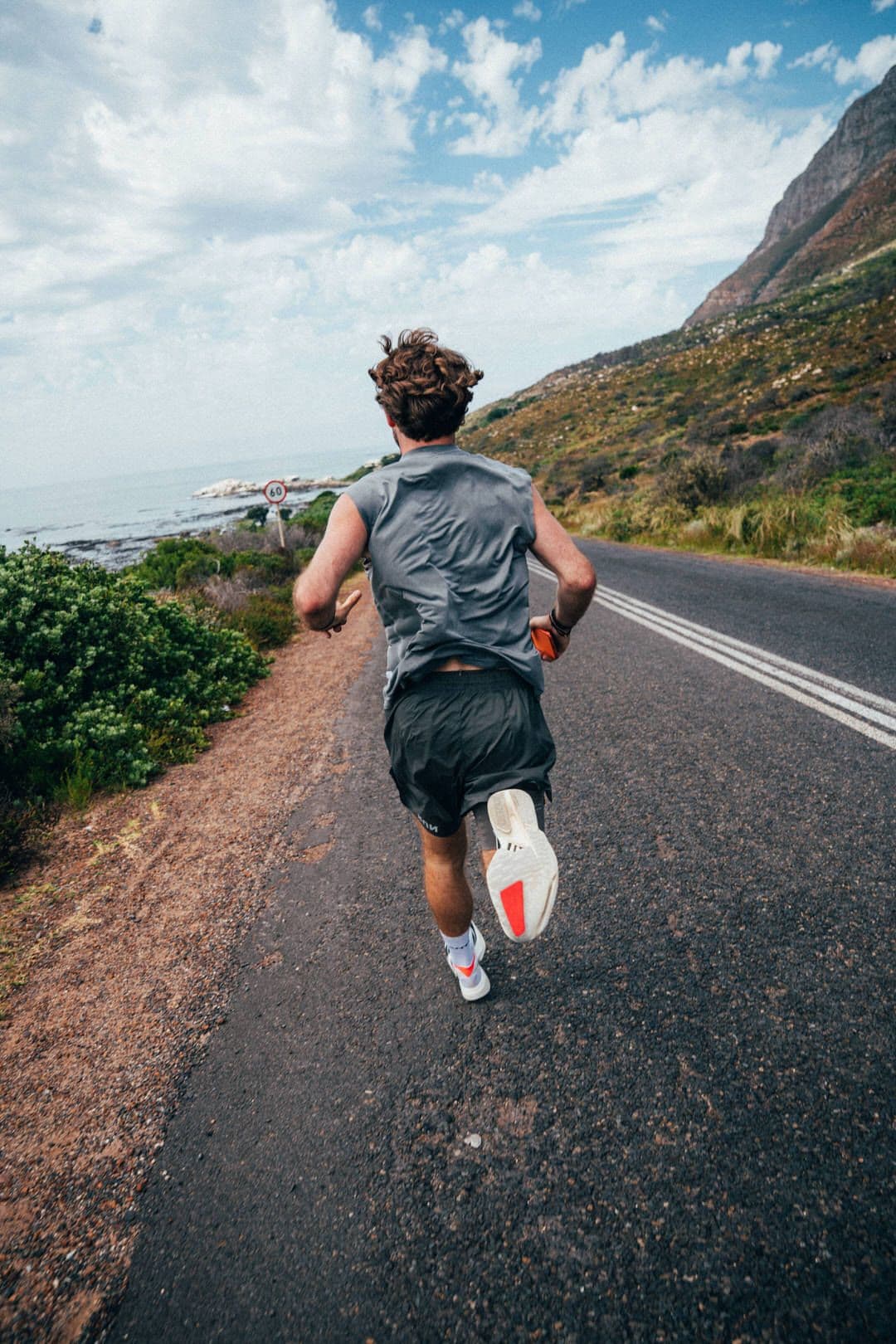

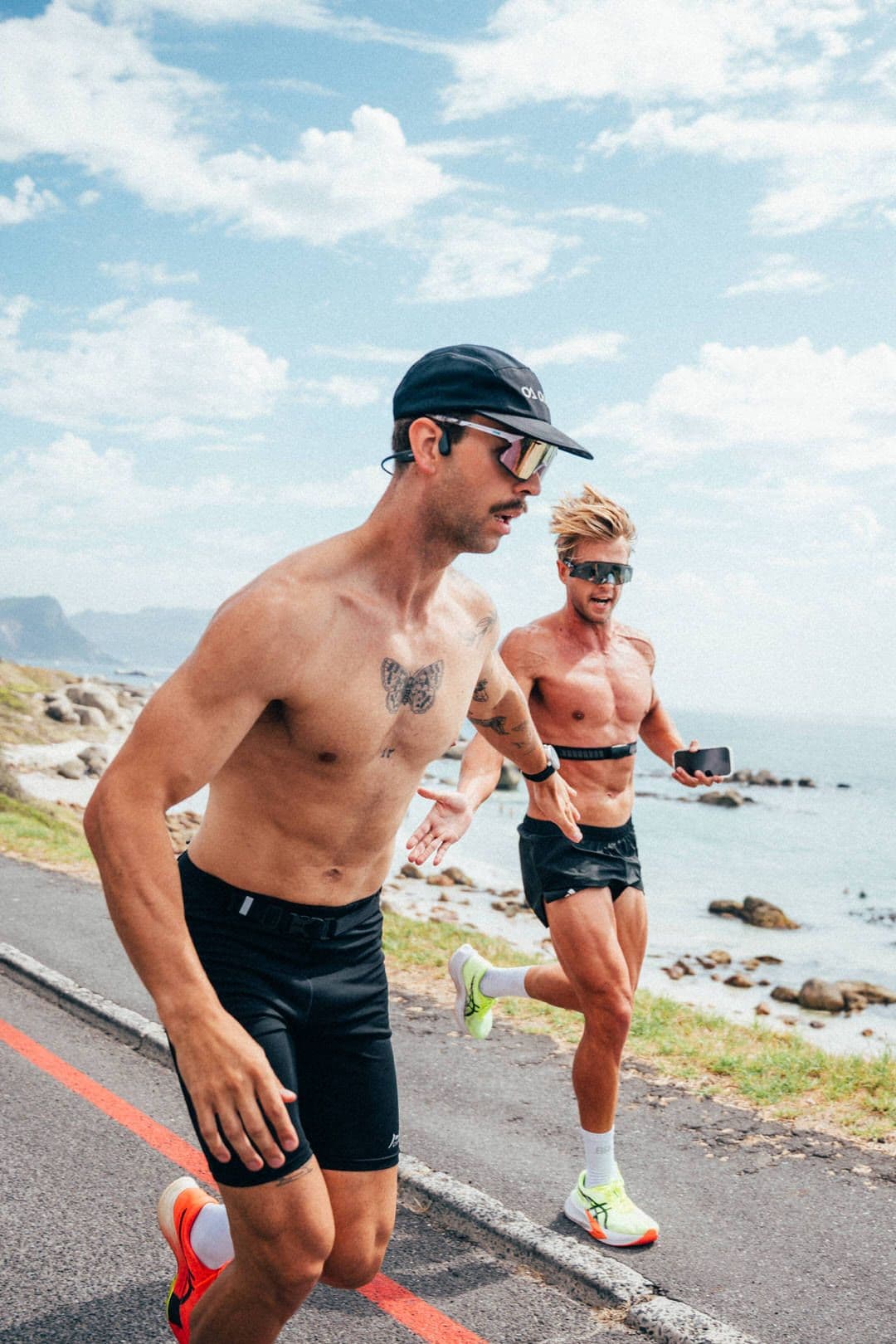

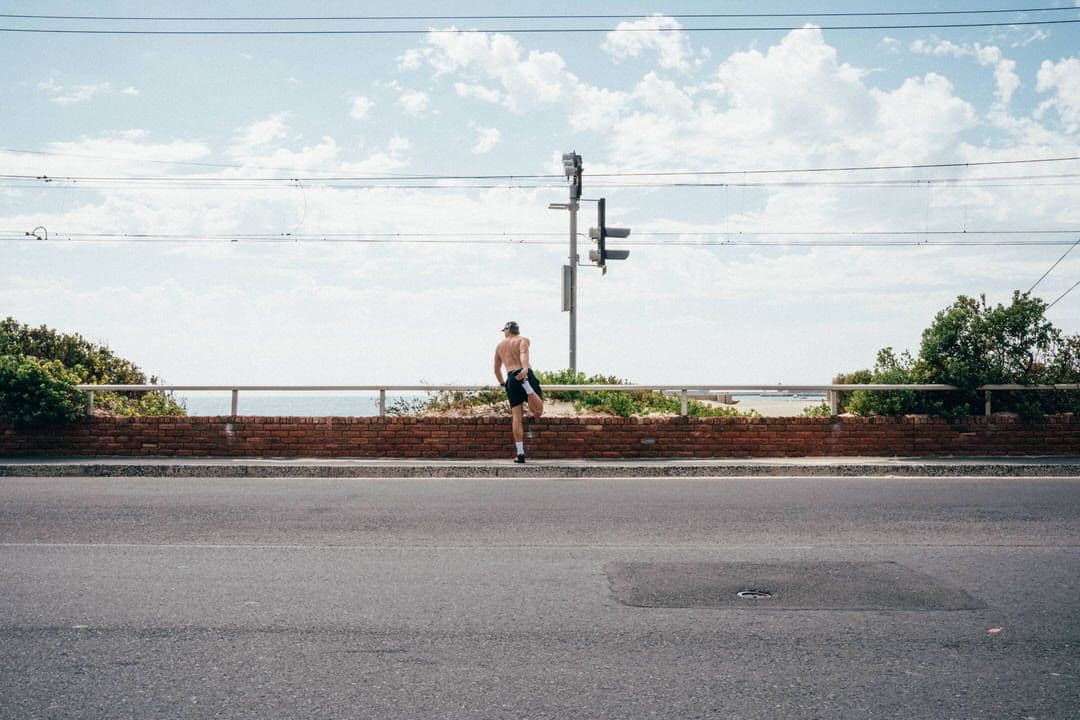

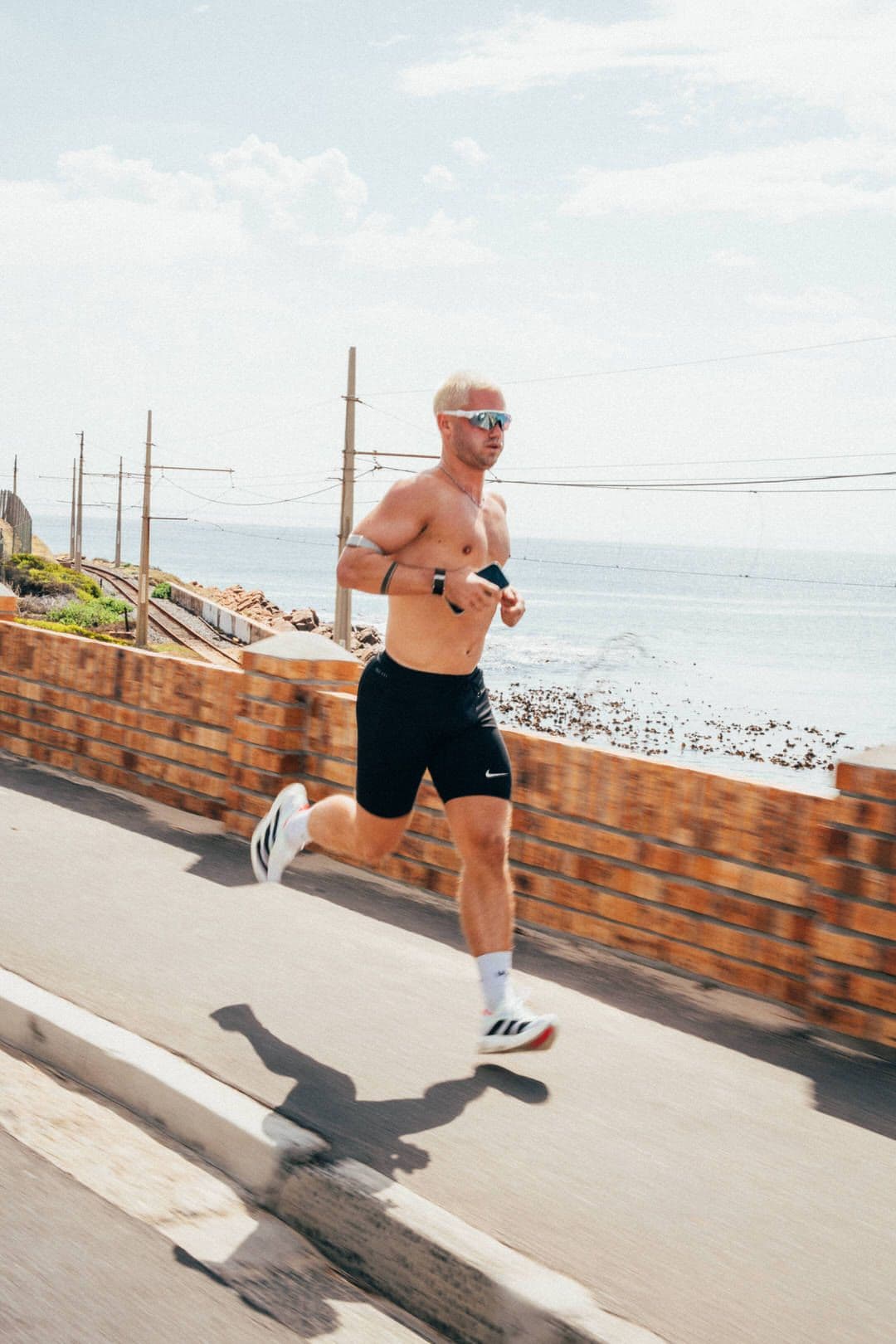
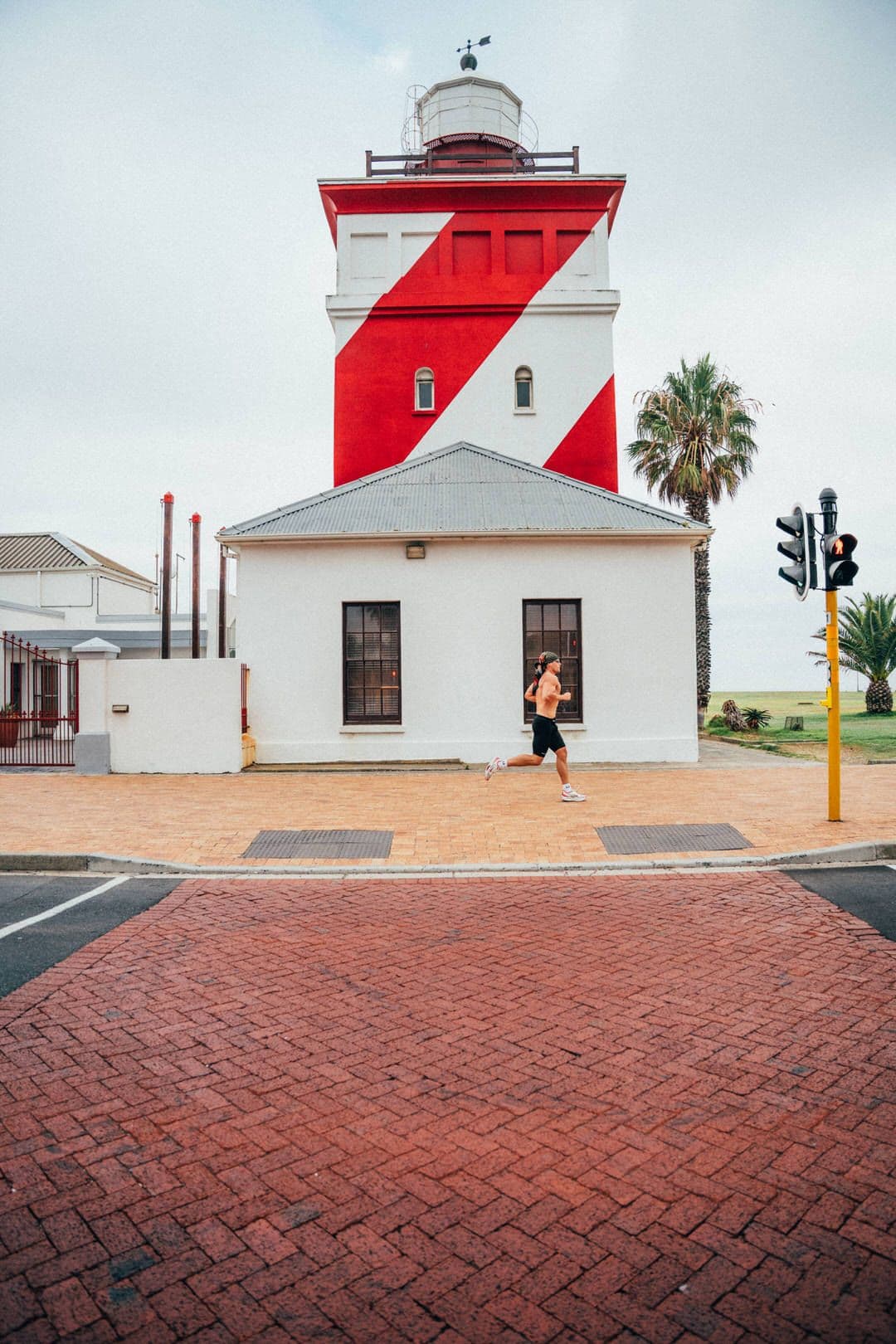
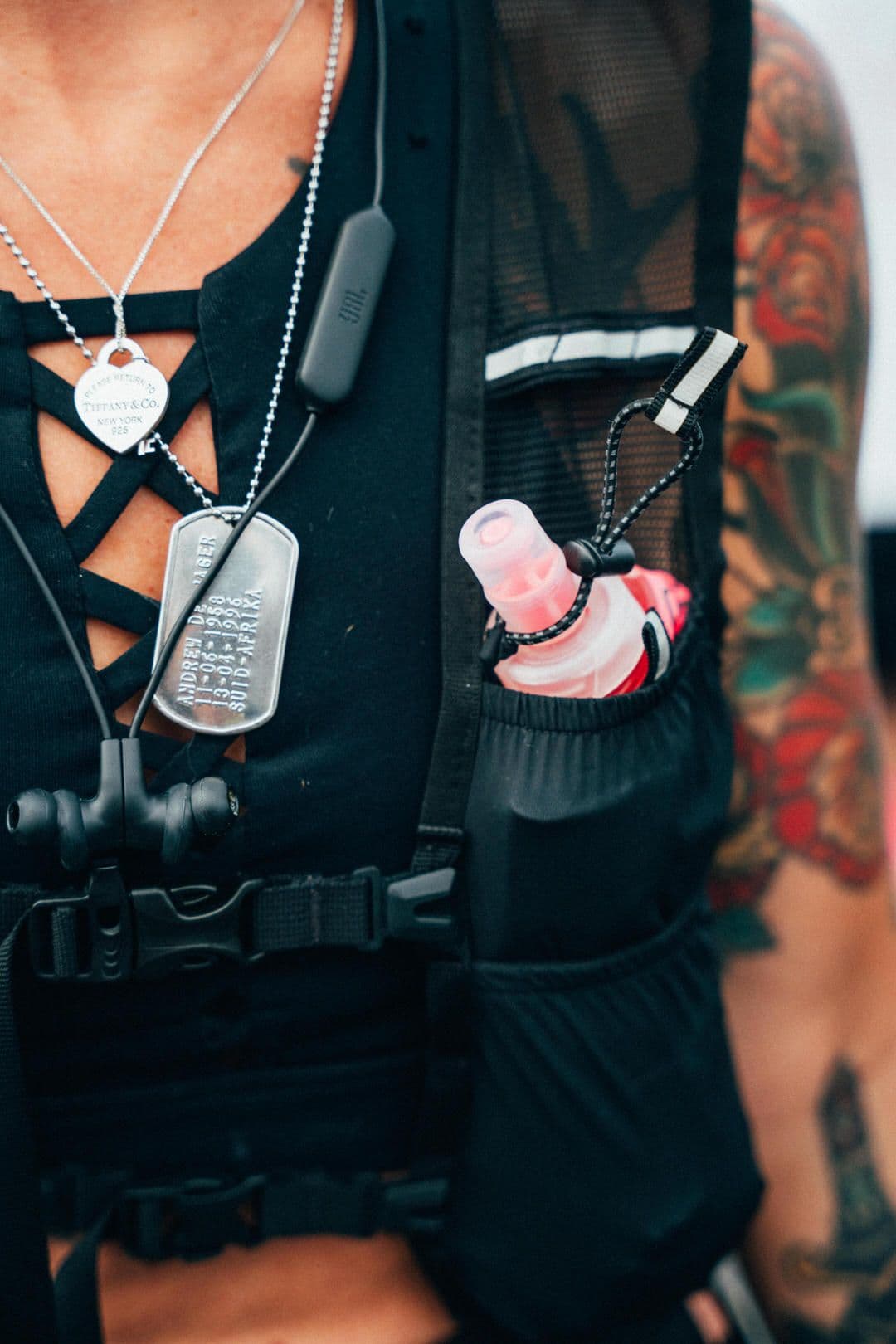

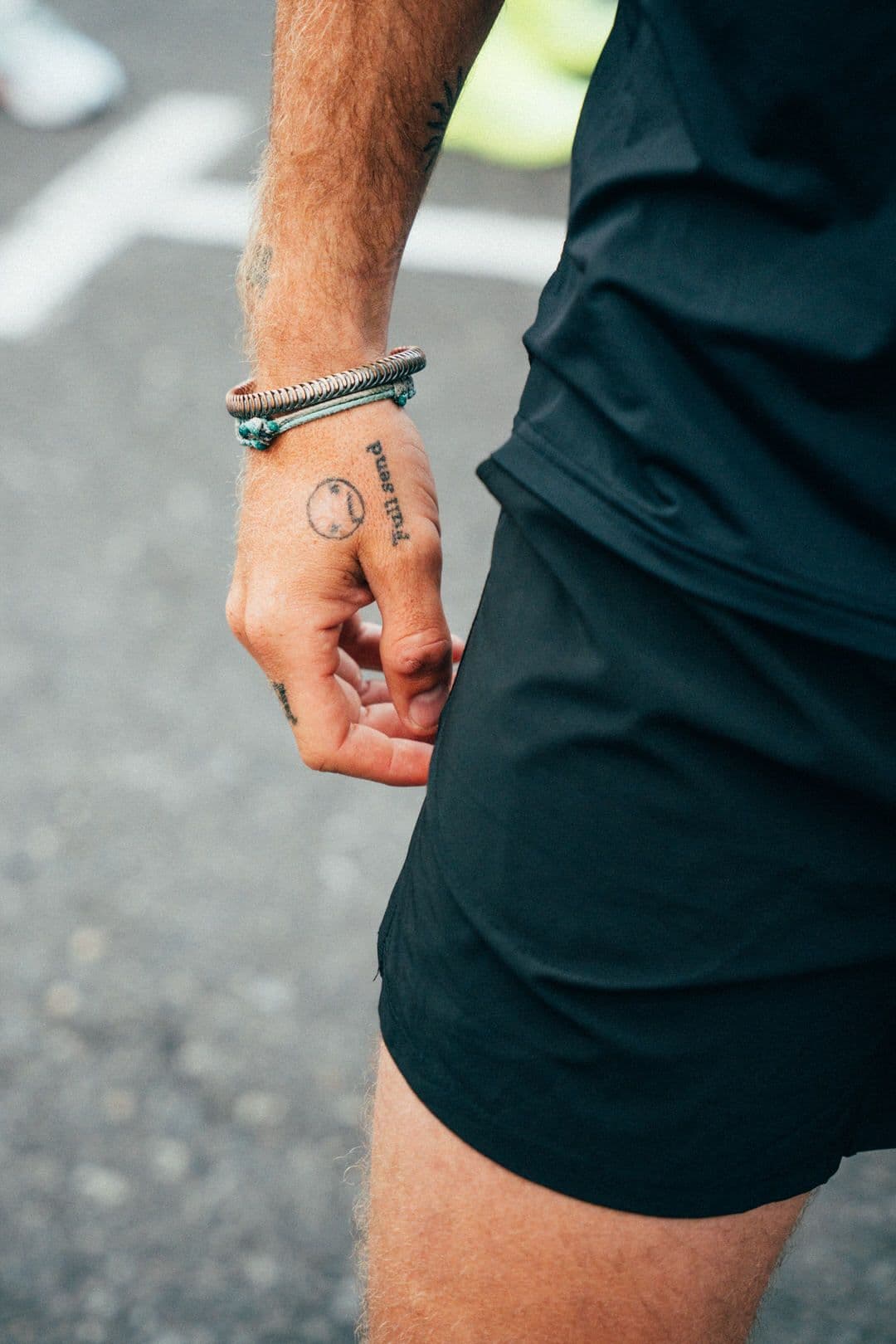
How the format works
For anyone hearing about this for the first time, the rules are short:
- Five runners per team. Only one on the course at a time, the rest roll ahead in your own support car. One optional driver allowed.
- Unlimited handovers. Swap every 2 kilometers or every 20. Your call, and your strategy is most of the race.
- Seven mandatory checkpoints, no fixed route. Hit them in order, connect them however you like.
- Fully self-supported. Your fuel, your hydration, your navigation, your recovery.
- A 13-hour cutoff, live GPS tracking on the active runner, and a mandatory night kit.
It rewards crews who plan. It punishes crews who wing it. That combination is exactly why we built it.
2027: same loop, more teams
The Cape Town Relay Project comes back on Sunday, 21 February 2027.
Same route around the Cape of Good Hope. Same relay format, five per team, one clock. The one thing that changes: the field grows to 20 teams, which is 100 runners on the peninsula for a single day. In 2026 we capped at 20 and filled 12. This time we intend to fill all of it, and given how fast the last few slots went in January, we wouldn't wait around.
Everything else, from the checkpoint cafés and the finish line location to the sponsors and the film crew, gets announced in the months before the race. Entries open first to the people on the list below.
Cape Town Relay Project 2027
Get the entry link first
Twenty team slots, 21 February 2027. Leave your email and we'll send you the entry link the minute registration opens, plus the route briefing and the checkpoint list.
By signing up, you agree to our privacy policy
Beyond Cape Town, we are scouting Relay Projects in other cities. Same format, new terrain, new communities. If your city has a loop that scares you a little, tell us about it.
See you on the peninsula.